Industry News (opens original source in a new tab)ScienceDailyYour AI calorie-tracking app may be off by 345 caloriesPopular AI-powered food apps may make calorie counting easier, but they may also leave out a surprisingly large part of the meal. Four apps underestimated calories and fat by about one-third when tested against carefully prepared meals. High-fat ketogenic dishes appeared to cause the most trouble, while carbohydrates were measured more consistently. (opens original source in a new tab)26 July 2026
(opens original source in a new tab)Rest of WorldWhy state-owned AI won’t solve inequalityGovernment ownership of AI companies may promise shared wealth, but it risks weakening oversight and accountability. (opens original source in a new tab)Rina Chandran·24 July 2026
Industry News (opens original source in a new tab)ScienceDailySweden’s hidden rare earth deposits could help break China’s gripSweden could become an important source of rare earth elements needed for magnets and green technologies. Instead of extracting one target metal, researchers are cataloging everything contained in Swedish mineral deposits. They will then develop magnets using those naturally available combinations, potentially reducing pollution, waste, and reliance on China. (opens original source in a new tab)24 July 2026
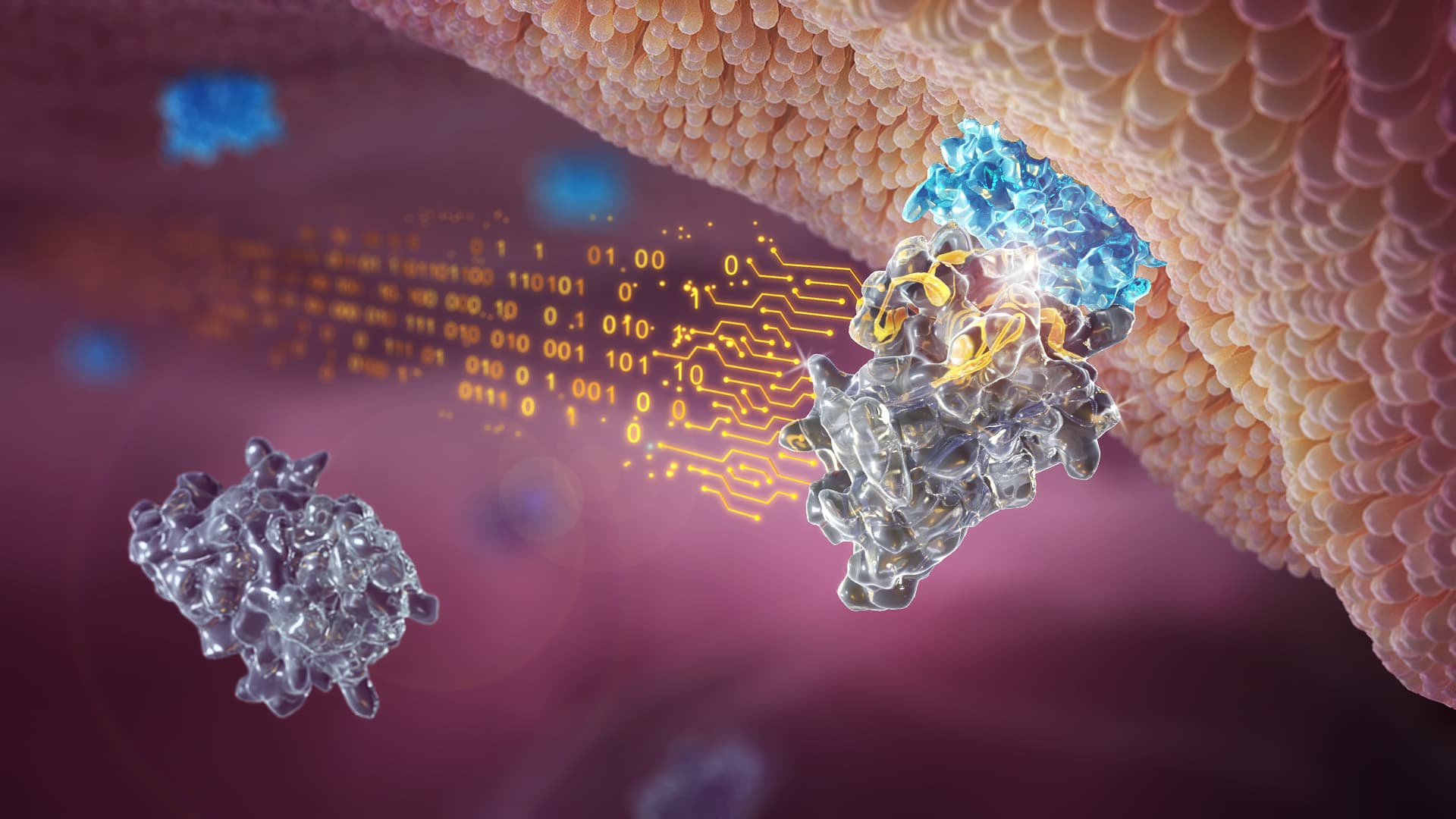
(opens original source in a new tab)MIT Technology ReviewHow AI helps scientists design the next generation of medicinesDesigning and developing a new medicine is an expensive, failure-prone scientific challenge. A new drug can take many years to develop, at the cost of a significant investment. And even then, most possible candidates never reach the patient. For biologic medicines, therapies made from engineered proteins rather than synthetic chemistry (which are often used to… (opens original source in a new tab)MIT Technology Review Insights·23 July 2026
Industry News (opens original source in a new tab)ScienceDailyMIT’s new lidar chip could give self-driving cars a wider viewMIT engineers have found a way to give chip-based lidar a wider, clearer view without relying on moving parts. Their design uses differently shaped antennas that can sit close together without scrambling one another’s signals. In tests, the system sharply reduced interference while steering a single precise beam across a broad field of view. (opens original source in a new tab)22 July 2026
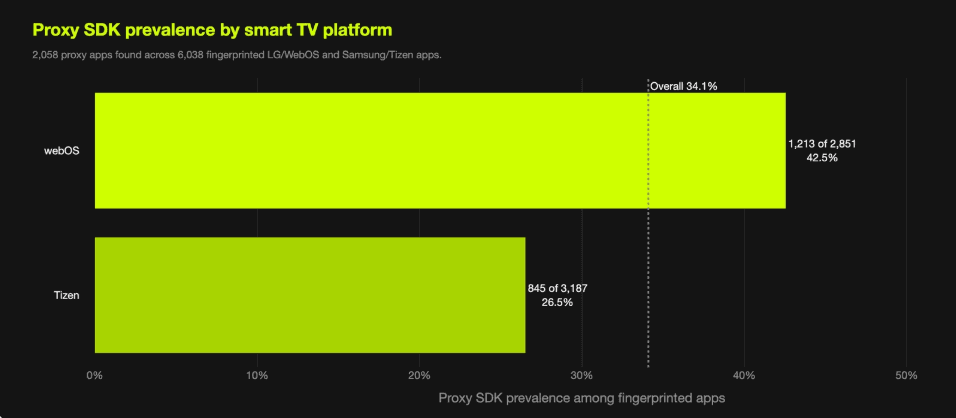
(opens original source in a new tab)Krebs on SecurityLG to Ban Residential Proxies from Smart TV AppsThe home appliance giant LG Electronics USA said this week it plans to suspend any apps built for its smart TVs that turn one's television into an always-on residential proxy node. The move comes less than a month after researchers found that more than 42 percent of games and other apps available for download on LG's webOS store allow unknown third-parties to route their Internet traffic through a user's TV. (opens original source in a new tab)BrianKrebs·22 July 2026
(opens original source in a new tab)ContxtoStarApps expands its Shopify ecosystem with AppMaker acquisitionGlobal e-commerce sales are forecast to reach a staggering $5.24 trillion by 2026, with direct-to-consumer and mobile commerce acting as the fastest-growing segments in the retail industry. Despite this massive growth, brands are facing an increasingly expensive challenge, paid customer acquisition costs are skyrocketing every year. To tackle this industry-wide hurdle, bootstrapped Shopify app developer […] (opens original source in a new tab)Stiven Cartagena·21 July 2026
Industry News (opens original source in a new tab)ScienceDailyAn ordinary laptop solved a problem thought to require a quantum computerA quantum problem once described as impossible for classical computers has now been solved using relatively modest hardware. Researchers used tensor networks to compress the overwhelming wave function created by hundreds of entangled qubits, allowing some calculations to run on a laptop. Their results matched both theoretical predictions and simulations performed with a quantum computer. The method could open new paths for exploring quantum dynamics and materials. (opens original source in a new tab)20 July 2026
(opens original source in a new tab)Krebs on SecurityMicrosoft Patches a Record 570 Security FlawsMicrosoft Corp. today released software updates to plug at least 570 security holes in its Windows operating systems and other software, almost triple the number of vulnerabilities the software giant fixed in its record-smashing Patch Tuesday release last month. Microsoft attributed the burgeoning patch counts to vulnerability discoveries aided by artificial intelligence. (opens original source in a new tab)BrianKrebs·14 July 2026
Industry News (opens original source in a new tab)WIPOGenAI Innovation Soaring, With Patent Activity Nearly Tripling in Two YearsThe generative artificial intelligence (GenAI) patent landscape has reached a new milestone, with more new patents published in 2024 and 2025 than in the entire preceding ten years combined, according to new data published today by the World Intellectual Property Organization (WIPO). (opens original source in a new tab)WIPO·14 July 2026
Cybersecurity (opens original source in a new tab)Krebs on SecurityLessons Learned from CISA’s Recent GitHub LeakThe Cybersecurity and Infrastructure Security Agency (CISA) has issued a postmortem on a data leak in which a contractor published dozens of internal CISA credentials -- including AWS Govcloud keys -- in a public GitHub repository for almost six months before being notified by KrebsOnSecurity. Experts say the gaps identified in the agency's initial response provide important lessons that all security teams should absorb. (opens original source in a new tab)BrianKrebs·13 July 2026