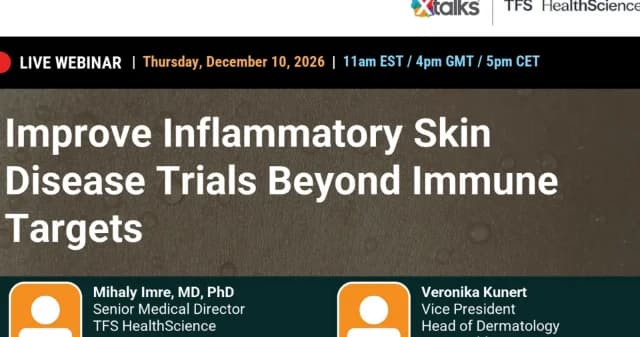
Inflammatory skin diseases such as psoriasis, hidradenitis suppurativa and atopic dermatitis extend beyond the skin, with growing evidence linking these conditions to obesity, metabolic dysfunction, systemic inflammation and alterations in the gut and skin microbiomes. Although biologics targeting pro-inflammatory cytokines have transformed care, many patients still do not achieve or maintain clear skin, while comorbidities continue to contribute to disease burden. This webinar will explore how metabolic, microbial and immune pathways may inform future therapeutic strategies and clinical development decisions.
GLP-1 receptor agonists and other incretin-based therapies have reshaped metabolic medicine, while ongoing research is clarifying the microbiome’s role in metabolic regulation and inflammation. Connections between obesity, metabolic dysfunction, immune activity and the gut and skin microbiomes suggest that targeting multiple biological pathways may improve treatment outcomes.
The featured speakers will examine the gut-skin-immune-metabolic axis, including how adipose tissue, gut barrier function and microbial composition contribute to systemic inflammation. The speakers will assess current evidence for GLP-1 therapies in inflammatory skin diseases such as psoriasis and hidradenitis suppurativa, alongside the potential of combining metabolic, microbiome and immune-targeted approaches.
The session will also address how to translate these approaches into clinical research, including patient selection, potential clinical benefits and underlying mechanisms. Topics will cover study designs assessing skin outcomes, metabolic health, safety and patient experience, exploratory biomarkers, microbiome changes, as well as patient stratification and potential confounding factors such as diet, antibiotics and concomitant therapies.
Finally, the webinar will examine operational requirements for integrated clinical development programs, including regulatory input, protocol and endpoint design, sampling strategies, site feasibility, medical monitoring and trial delivery. These programs require multidisciplinary expertise to evaluate emerging therapies for inflammatory skin disease.
Register for this webinar to learn how emerging metabolic and microbiome research may inform therapeutic strategies, clinical trial design and development decisions in inflammatory skin disease.
Who Should Attend
This webinar will appeal to Clinical Development, Medical Affairs and Translational Science professionals working in inflammatory skin disease, metabolic disease or microbiome-based therapies, including:
Chief Medical Officers
Chief Scientific Officers
VPs and Heads of Clinical Development
Biostatisticians and Study Designers
Clinical Operations Leads and Project Directors
Heads of Translational Medicine
Medical Directors and Medical Monitors
Regulatory Affairs professionals
Physicians (Dermatologists, Immunologists, Endocrinologists, Gastroenterologists)
Clinical Researchers
Register free on Xtalks: https://xtalks.com/webinars/improve-inflammatory-skin-disease-trials-beyond-immune-targets/